
Keep a Simple Log of the Yono Platform Listings You Review
Keep a Simple Log of the Yono Platform Listings You Review
Ask yourself what you concluded about a particular app listing last month. If the answer is a vague shrug, you are not alone. Memory is a poor record. It smooths over details, forgets the reasons behind a decision, and quietly rewrites what actually happened. The fix is not a better memory. It is a simple personal log.
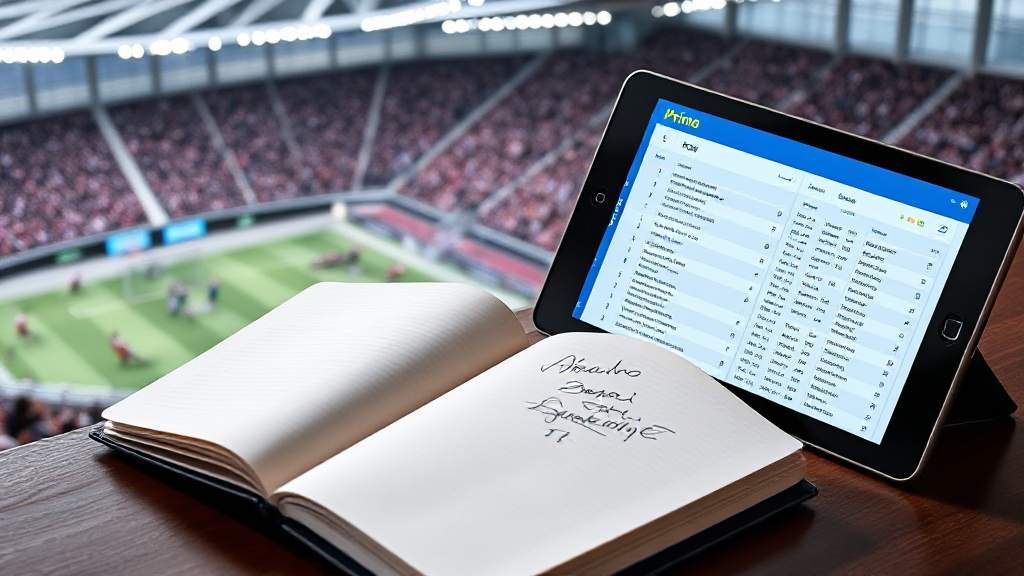
This is especially true when you are preparing for a First Time Play Rummy Game and comparing several app listings before installing anything. A short written record of what you reviewed, why you skipped one option, and what made another stand out turns a fuzzy impression into something you can revisit calmly later. You do not need a spreadsheet full of formulas. A notebook page or a plain text file is enough. The value comes from the habit, not the tool.
Why memory fails when you compare app listings
Most people review several rummy app listings in a single sitting. Each listing has its own bonus details, payout guidance, install checks, and editorial signals. By the time you reach the third or fourth option, the first one has already blurred. A week later, you may remember that one app had a generous bonus but forget whether the payout terms were clear or whether the install steps looked trustworthy.
This is not a character flaw. It is how attention works. When you are reading quickly, your brain keeps the gist and discards the specifics. The problem is that the gist is exactly what you need to make a careful decision. Without a record, you end up relying on a feeling rather than a fact. A log gives you the facts back.
There is also a quieter benefit. Writing something down forces you to slow down. You notice details you might otherwise skip, such as a responsible play note or a small print line about eligibility. The act of recording makes you a more careful reader, even before you review the log again.
What to write down for each listing you review
Keep the log short enough that you will actually maintain it. For each listing, record five things: the date you reviewed it, the name of the app or listing, the one feature that stood out, the one concern you noticed, and your decision. The decision can be as simple as “shortlist,” “skip,” or “revisit later.” That is enough to reconstruct your thinking without turning the log into a chore.
If the listing includes bonus details, note the headline figure and any condition attached to it. If it includes payout guidance, note whether the explanation was clear or vague. If you ran through install checks, note whether the steps were straightforward. These notes do not need to be polished. A few words per item will do. The goal is to capture what mattered at the moment, not to write a formal review.
One useful habit is to add a single line about how the listing made you feel. Words like “rushed,” “clear,” or “confusing” are surprisingly helpful when you return to the log weeks later. They remind you of the reading experience, which is often as important as the listed features. Just keep this line brief so it does not crowd out the factual notes.
Finally, leave a small space for a follow-up note. If you decide to revisit a listing, write down what you want to check next time. This turns the log into a working document rather than a static archive, and it saves you from starting from scratch on a second pass.
How often to update the log and keep it useful
Update the log at the end of each review session, not during it. Reading and writing at the same time splits your attention. Finish your pass through the listings, then spend five minutes writing down what you saw. This keeps the review itself focused while still capturing the details while they are fresh.
A weekly review is enough for most people. Once a week, open the log and read the last few entries. You are not looking for anything specific. You are simply reminding yourself what you concluded and why. This short review prevents the log from becoming a dead file and helps you spot patterns, such as repeatedly skipping listings with unclear payout guidance or repeatedly shortlisting apps with straightforward install checks.
Keep the log in one place. A single notebook or a single text file is easier to maintain than notes scattered across apps and screenshots. If you prefer digital notes, choose one tool and stick with it. The point is to make the record easy to find when you need it, not to build an elaborate system.
When you are ready to compare options again, read the log before you open any new listings. This gives you a baseline. You will know which features you valued before, which concerns you flagged, and which decisions you might want to revisit. Starting with your own notes is calmer than starting with a fresh scroll through unfamiliar listings.
How to review your log without second-guessing yourself
Reviewing the log is not about proving you were right. It is about understanding your own reasoning. When you read an old entry, ask two questions: does the decision still make sense given what I knew then, and has anything changed since? If the answer to the first is yes, leave the entry alone. If the answer to the second is yes, add a dated note rather than editing the original. The original record is useful precisely because it shows what you thought at the time.
This is where a log earns its keep. It lets you revisit a decision calmly instead of relying on a vague memory that may be colored by a single bad experience or a single good one. You can see that you skipped a listing for a specific reason, not because of a passing mood. You can also see when your priorities shifted, which is useful information for future comparisons.
Keep the tone of the log neutral. Avoid writing entries that scold you for a past choice or praise you for a clever one. The log is a record, not a judge. Neutral notes are easier to read later and more likely to be accurate. If you notice yourself writing in a harsh tone, simplify the entry to the facts and move on.
Finally, remember why you are keeping the log at all. You are comparing app listings to make a careful, informed decision about your first rummy game experience. The log supports that decision by turning scattered impressions into a clear record. It does not need to be perfect. It only needs to be honest and consistent. A few minutes each week is enough to keep it useful, and that small investment pays back every time you revisit a listing with a calm, informed eye.