
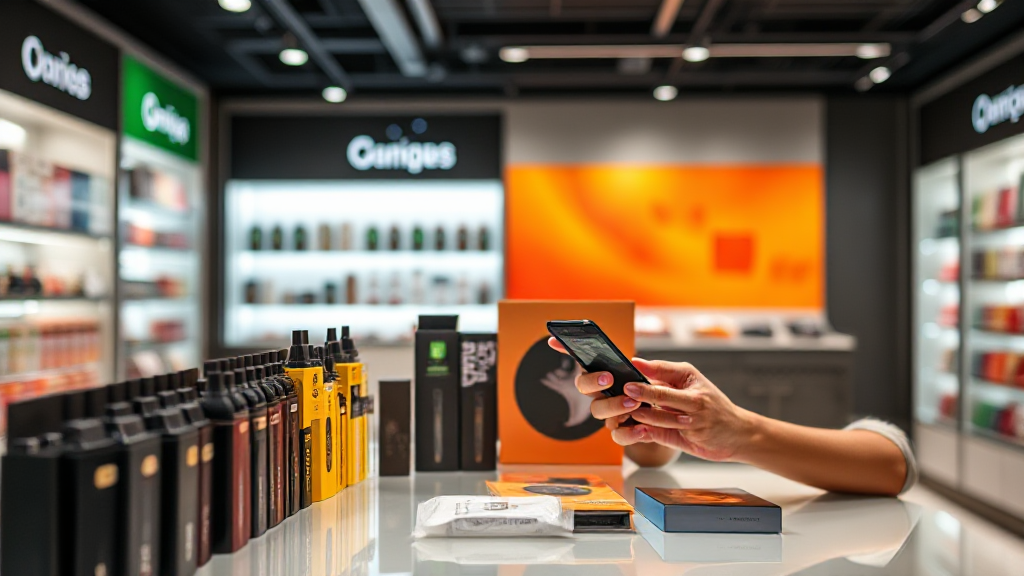
How Online Vape Buying in Singapore Ended Up Looking Like This
How Online Vape Buying in Singapore Ended Up Looking Like This
Not so long ago, buying a vape in Singapore felt like a small expedition. You either knew someone who knew someone, or you found yourself in a corner of a shopping mall that seemed to exist slightly outside the normal rules of retail. Conversations were short, choices were limited, and the whole thing had the atmosphere of a transaction nobody wanted to linger over. The device you walked away with was often whatever happened to be behind the counter that week, not what you actually wanted.
Then online ordering quietly changed the shape of the experience. Instead of guessing which shop might stock the model you had in mind, you could look at what was available, compare options, and arrange for it to come to you. The single biggest shift was the arrival of a proper vape contact point — a place you could message directly, ask a question, and get a real answer before committing to anything. That small change turned a vague errand into something closer to ordinary shopping.
From Backroom Errands to Messaging a Shop Directly
The old model worked on scarcity and silence. Stock was unpredictable, information travelled by word of mouth, and nobody expected a shop to explain the difference between one disposable and another. If you were new to vaping, you learned by trial and error, often buying something that did not suit you simply because it was the only thing available. If you were experienced, you kept your own mental list of who might have what, and you checked in regularly like someone waiting for a shipment.
Online retail replaced that with something much more legible. A shop could list its range, describe puff counts and flavours, and let customers decide at their own pace. The conversation moved from a counter to a chat window, which sounds like a small detail until you realise how much it changes the dynamic. You can ask about battery life, flavour intensity, or whether a device suits a lighter user, and you can do it without standing in front of a stranger feeling rushed.
This is also where the practical side of modern vape retail became visible. Same-day vape delivery singapore customers now expect is not a gimmick; it is a direct answer to the old problem of not knowing when or whether you could get what you wanted. Ready stock, discreet packaging, and instant messaging support all grew out of the same frustration: people wanted the purchase to feel normal, quick, and private.
Discretion matters more here than in most retail categories, and that shaped the packaging conventions you see today. Plain outer parcels, no branding on the outside, and delivery windows that fit around work or family life. What once felt like a slightly awkward outing became a routine delivery, handled quietly and without explanation to anyone else.
Why Brand Names Started Doing the Talking
As the online side of the market matured, customers stopped shopping by category and started shopping by name. Instead of asking for “a disposable”, they asked for a specific model with a specific puff count. That is how a lana vape shop became a recognisable thing in its own right — not because of a clever slogan, but because repeat buyers knew exactly what they were getting and wanted to keep getting it.
The Lana range illustrates the pattern well. A device like the Lana Trend 6000 Puffs appeals to someone who wants something compact and straightforward. The Lana Cheer 15000 Puffs sits in the middle ground for users who want more endurance without a bulky setup. The Lana Pix 20000 Puffs speaks to heavy users who would rather recharge less often and carry fewer spares. Each product answers a slightly different question, and once customers understand that, the brand name becomes shorthand for a whole set of expectations.
This is why product knowledge became part of the service rather than a bonus. When someone messages a shop asking which device suits a daily user who travels, the useful answer is not a list of everything in stock. It is a recommendation grounded in how the devices actually behave. That kind of guidance is hard to deliver in a rushed counter transaction but perfectly natural in a chat conversation, which is part of why the online model stuck.
Flavour ranges followed the same logic. Customers who found a profile they liked wanted to know it would still be there next month, and shops responded by keeping consistent stock rather than chasing novelty. Over time, reliability became a selling point in its own right, and the shops that treated it seriously built a repeat customer base that did not need to be convinced every time.
What the Current Setup Actually Looks Like for a Buyer
Today, the process is short. You find a shop, check what is in stock, ask a question if you have one, place an order, and wait for a delivery that usually arrives the same day. The lana singapore delivery side of the market has become competitive enough that speed is expected rather than impressive, and that pressure has pushed the whole category toward better stock management and clearer communication.
For someone buying a lana vape singapore product specifically, the practical considerations are fairly simple. Check that the device matches your usage pattern, confirm the shop has it ready rather than on order, and make sure the delivery arrangement suits your schedule. The difference between a good experience and a frustrating one rarely comes down to the product itself. It comes down to whether the shop was honest about availability and quick to respond.
Support quality is the part that is hardest to judge from the outside, and it is usually where the better shops separate themselves. A responsive chat line means you can resolve a question about a device, a flavour, or a delivery window in minutes instead of hours. For anyone ordering a singapore lana vape device for the first time, that responsiveness is often the difference between feeling uncertain and feeling looked after.
Packaging has settled into a similar standard. Discreet outer parcels, no visible branding, and delivery handled without drawing attention. It is a small thing, but it reflects a broader understanding that customers want this part of their life kept separate from everything else. Shops that grasp this tend to keep customers, because the purchase stops feeling like something to manage and starts feeling like an ordinary online order.
What has quietly disappeared is the guesswork. You no longer need to know a person who knows a person. You no longer need to accept whatever is on the shelf. You can check stock, ask questions, compare models by puff count, and arrange delivery around your own day. The awkwardness that used to define the experience has largely been replaced by the same convenience people expect from any other online purchase, which is probably the most significant change of all.
Looking back, the shift was not driven by any single innovation. It came from a series of small fixes: listing what is actually available, answering messages promptly, delivering quickly, and packaging discreetly. Each one addressed a specific irritation from the old way of doing things. Together, they turned a transaction people used to approach cautiously into something they can now complete in a few minutes from their phone, without a second thought about how it will arrive or who will know.