
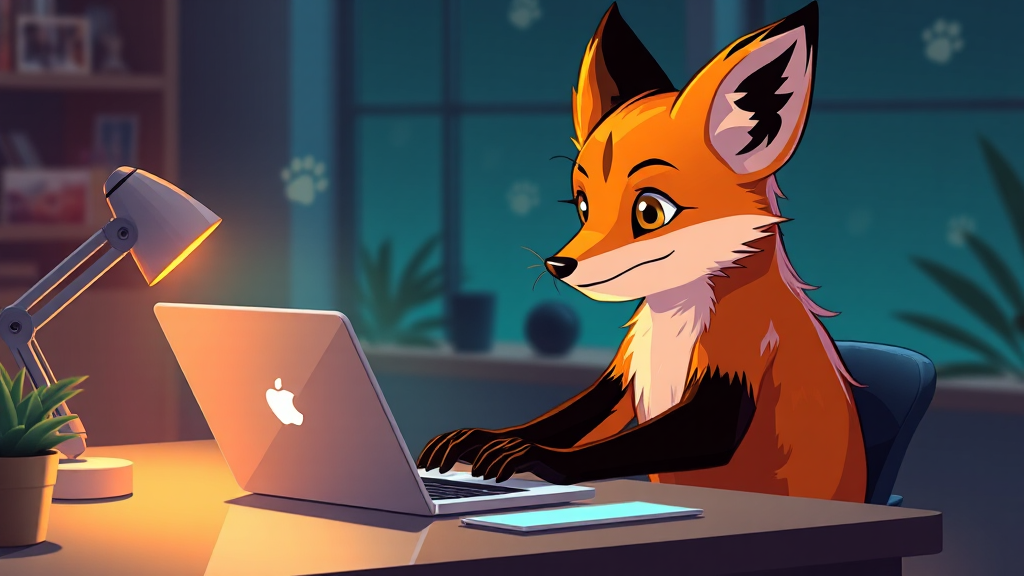
Furry AI Chat: How Anthropomorphic Characters Are Reshaping Digital Conversation
Furry AI Chat: How Anthropomorphic Characters Are Reshaping Digital Conversation
The rise of conversational AI has opened doors to niche communities that were once underserved by mainstream platforms. Among the most vibrant of these is the world of furry ai chat, where users interact with anthropomorphic animal characters that feel alive, responsive, and deeply personalized. Unlike generic chatbots that offer sterile, one-size-fits-all replies, furry AI chat environments are built around creativity, identity, and emotional connection. This article explores why this niche has grown so quickly, what makes it technically and socially compelling, and how it fits into the broader evolution of digital companionship.
What Exactly Is Furry AI Chat?
At its core, furry AI chat refers to conversational systems that simulate anthropomorphic animal characters — creatures that walk, talk, and think like humans but retain animal traits such as ears, tails, fur patterns, and species-specific behaviors. These characters are not just avatars with pre-written scripts. Modern implementations use large language models, memory systems, and personality tuning to generate dynamic responses that reflect a consistent identity over time.
The appeal is not purely aesthetic. For many users, furry characters offer a safe canvas for exploring social dynamics, romantic scenarios, and creative storytelling without the pressure of human judgment. A well-designed furry AI characters platform lets users define backstories, speech patterns, and emotional tendencies, turning each conversation into a co-authored narrative rather than a transactional Q&A session.
This distinguishes furry AI chat from general-purpose assistants. Where a productivity bot might answer factual questions, a furry companion might remember that you prefer rainy evenings, tease you about a favorite snack, or react with playful jealousy when you mention another character. That level of persona continuity is what keeps users returning.
Why Anthropomorphic Personas Work So Well in AI
Anthropomorphism is one of humanity’s oldest storytelling tools. From ancient fables to modern animation, giving animals human voices has helped people process complex emotions at a comfortable distance. AI amplifies this effect because the character can respond in real time, adapt to the user’s mood, and maintain a persistent relationship across sessions.
Several design factors make furry personas particularly effective in chat contexts:
- Visual identity: Species, color palette, and accessories give users an immediate mental image that grounds the conversation.
- Behavioral archetypes: Foxes may be sly, wolves loyal, rabbits energetic — these tropes provide instant personality scaffolding that the AI can then complicate and deepen.
- Emotional safety: Because the character is clearly fictional, users often feel more comfortable discussing vulnerable topics.
- Creative freedom: Furry communities have always embraced customization, and AI platforms that support detailed character creation tap directly into that culture.
When these elements combine, the result is a conversational experience that feels less like using software and more like spending time with a friend who happens to have fur, feathers, or scales.
How Modern Furry AI Chat Platforms Are Built
Behind every convincing furry character is a stack of technical decisions. Most platforms start with a foundation model, then layer on fine-tuning or prompt engineering to shape tone. Memory is handled through vector databases or rolling context windows, allowing the AI to recall past conversations without exceeding token limits.
Character consistency is the hardest problem. A model that forgets its species, contradicts its own backstory, or suddenly changes speaking style breaks immersion instantly. To combat this, developers use structured character cards, retrieval-augmented generation, and sometimes multiple model calls to verify that a response aligns with the persona before it reaches the user.
Platforms like crushon have gained attention for offering a wide range of pre-built furry personas alongside tools for custom creation. Users can browse characters by species, personality type, or scenario, then start chatting without any technical setup. This lowers the barrier to entry dramatically compared to running a local model or writing complex prompts from scratch.
Latency and cost also matter. Real-time chat requires fast inference, and long-term memory requires storage. The best platforms balance these constraints by caching frequent responses, summarizing old conversations, and using smaller models for routine exchanges while reserving larger models for emotionally significant moments.
The Social and Creative Impact of Furry AI Companions
Furry AI chat is not just a technical curiosity. It has become a genuine creative outlet for writers, artists, and roleplayers who want to explore ideas that are difficult to stage with human partners. A novelist can test dialogue for a anthropomorphic protagonist. An artist can brainstorm visual details through conversation. A lonely user can practice social skills in a low-stakes environment.
There is also a community dimension. Many platforms allow users to share character cards, rate conversations, and remix existing personas. This turns furry AI chat into a collaborative ecosystem rather than a solitary activity. Users learn from each other’s character designs, discover new narrative tropes, and build friendships around shared interests.
Critics sometimes worry that AI companions replace human interaction. In practice, the opposite is often true for well-adjusted users. The convenience of always-available conversation can reduce social anxiety and build confidence, which then carries over into real-world relationships. The key is moderation and self-awareness — treating the AI as a supplement, not a substitute.
Choosing the Right Furry AI Chat Experience
Not all furry AI platforms are created equal. When evaluating options, consider the following factors:
- Character variety: Does the platform offer diverse species, personality types, and scenario templates?
- Memory quality: Can the AI remember details from previous sessions, or does it reset every time?
- Customization depth: Are you limited to preset characters, or can you define your own?
- Privacy and safety: How is your conversation data stored and used?
- Community features: Can you share characters, read reviews, or discover new personas from other users?
A platform that excels in all five areas will feel significantly more immersive than one that only offers a handful of generic animals. The best way to judge is to try a few conversations and pay attention to whether the character stays in role, remembers context, and responds with emotional nuance.
The Future of Furry AI Chat
As language models become more capable, furry AI chat will likely evolve in several directions. Voice interaction is already emerging, allowing users to hear their characters speak with synthesized tones that match their personality. Visual generation could let characters send selfies or react to images. Multi-character scenes might allow group conversations where several AI personas interact with each other and the user simultaneously.
There is also potential for deeper integration with virtual worlds. Imagine a furry AI character that exists not just in a chat window but in a 3D environment, responding to your movements and expressions. This kind of embodied interaction would blur the line between chatbot and game companion, creating entirely new forms of entertainment.
For now, the core appeal remains simple: a friendly, customizable, always-available character who accepts you without judgment. That is a powerful proposition, and it explains why furry AI chat continues to attract users who want more than a search engine with a friendly font.
Frequently Asked Questions
What is furry AI chat?
Furry AI chat is a type of conversational AI where users interact with anthropomorphic animal characters. These characters use language models to generate dynamic, in-character responses, often with memory and personality customization.
Are furry AI characters safe to talk to?
Safety depends on the platform. Reputable services implement content moderation, privacy controls, and age verification. Users should review a platform’s policies before sharing personal information.
Can I create my own furry AI character?
Many platforms allow custom character creation. You typically define a name, species, personality traits, backstory, and speaking style. Some tools also support uploading reference images or example dialogue.
Is furry AI chat only for roleplay?
No. While roleplay is popular, users also employ furry AI chat for creative writing, language practice, emotional support, and casual conversation. The anthropomorphic framing simply makes the interaction more engaging for those who enjoy it.
How is furry AI chat different from a general chatbot?
General chatbots focus on tasks and information. Furry AI chat prioritizes persona consistency, emotional nuance, and long-term relationship building. The character’s identity remains central across every exchange.
Readers who are interested in this topic will benefit from exploring multiple perspectives and understanding the nuanced approaches that industry leaders recommend. Taking time to research thoroughly ensures better outcomes and more informed decision-making.
Those looking to gain deeper knowledge in this area should consider following expert analysis, staying updated with the latest developments, and engaging with professional communities where these topics are discussed in detail.
A comprehensive understanding of this subject requires looking at both theoretical foundations and practical applications. By combining study with hands-on experience, learners can develop a well-rounded perspective that serves them well in real-world scenarios.
As the landscape continues to shift and evolve, staying informed about emerging trends and best practices becomes increasingly valuable. This ensures you remain competitive and capable of adapting to new challenges as they arise.